BEYOND THE ONIROS FILM AWARDS®
VIP Interview with Fernanda Alberdi, producer and director of the short film ‘Antonieta: a modern catastrophe’
by Alice Lussiana Parente
Today, we introduce Fernanda Alberdi, the writer and director of the short film: Antonieta: a modern catastrophe. In this interview, Alberdi shares the inspiration behind the film, the challenges of casting the right actors, and the collaborative effort that brought the film’s emotional journey to life.
1. Could you tell us more about your background? What brought you to filmmaking?
I’m a Mexican filmmaker, writer, and producer originally from Guadalajara and currently based in Miami. I started in theater and acting before moving deeper into filmmaking, studying at institutions such as The New York Film Academy and later continuing my academic formation in film and performance. Over time, I realized that cinema became the most honest way for me to explore emotion, memory, identity, grief, and the invisible things people carry internally.
What brought me to filmmaking was the desire to make people feel seen. I’ve always been deeply drawn to stories about human vulnerability and psychological complexity. Growing up in Mexico, I was surrounded by strong cultural imagery, music, family traditions, and emotional contrasts that shaped the way I see stories visually and emotionally. Filmmaking became a way to transform those emotions into something tangible.
I also founded Home Lights Films with the idea that every illuminated window in a city contains a hidden story. That philosophy continues to guide my work today.
2. When did you start working on your short film Antonieta?
I started developing Antonieta during my university years, when I became fascinated by the life of Antonieta Rivas Mercado and the emotional contradictions surrounding her story. The research process began long before production itself because I wanted to understand not only the historical figure, but also her emotional and psychological world.
The project slowly evolved from a historical piece into a more intimate and surreal exploration of loneliness, obsession, art, and emotional collapse. From the beginning, I knew I didn’t want to create a conventional biographical film. I wanted it to feel like entering Antonieta’s mind.
3. I really enjoyed the black-and-white opening shot. Where did you find the footage and how did the idea come about?
Thank you so much. The black-and-white opening was deeply connected to the symbolism behind the Ángel de la Independencia in Mexico City. The monument itself was built by Antonieta Rivas Mercado’s father, Antonio Rivas Mercado, which immediately created a very personal and emotional historical connection for me.
Years later, the Ángel partially collapsed during one of Mexico’s major earthquakes in the 1950s, and that image became a metaphor for Antonieta herself. I was fascinated by the idea that something built by her father — something monumental, admired, and seemingly eternal — could also physically collapse. It mirrored Antonieta’s own emotional deterioration and inner fragility.
The black-and-white aesthetic helped reinforce the sensation of memory, history, mourning, and emotional decay. From the very beginning, I wanted the audience to feel that the film was entering not only a historical space, but also a psychological one.
4. What has been the most challenging aspect of your first film project, and how did you overcome it?
One of the biggest challenges was balancing ambition with limited resources. Antonieta required period costumes, historical references, emotionally demanding performances, and visually stylized cinematography, all while being an independent production.
Another challenge was emotionally trusting myself as a first-time director. When you direct your first major project, there’s a constant internal battle between fear and intuition. I learned that preparation, collaboration, and trusting the people around me are essential.
I was very fortunate to work with an incredibly talented team in Mexico who truly believed in the project. Their passion helped transform limitations into creativity.
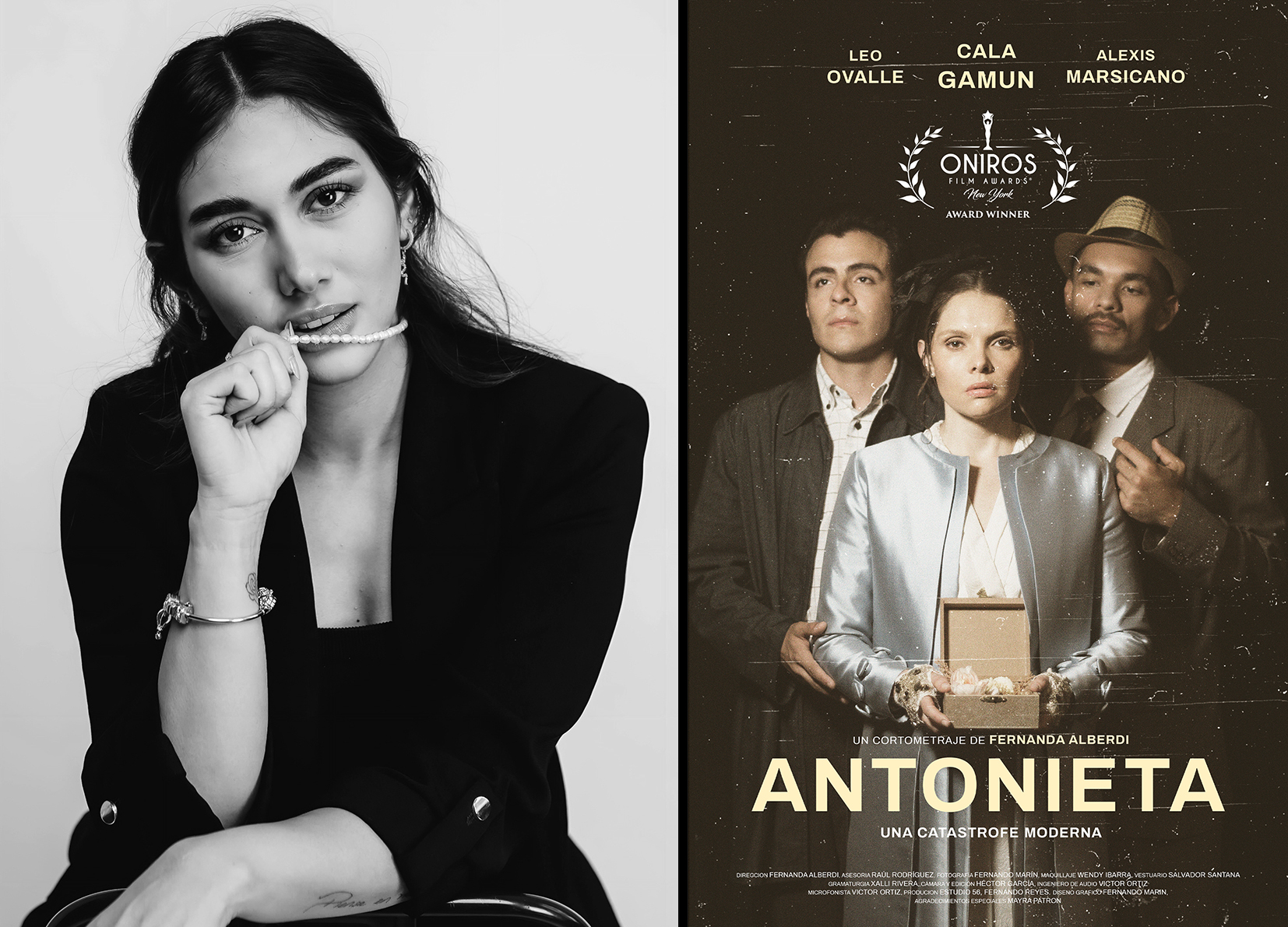
Fernanda Alberdi director of the short film ‘Antonieta: a modern catastrophe‘
5. What are some key themes or messages you hope audiences take away from your films?
I’m deeply interested in themes surrounding emotional isolation, identity, grief, memory, trauma, and the human need to belong. I’m especially drawn to characters who feel emotionally trapped between who they are and who the world expects them to be.
With Antonieta, I wanted audiences to reflect on how emotional pain can slowly consume someone internally, especially when sensitivity and passion exist in environments that don’t fully understand them.
More than delivering answers, I hope my films create emotional conversations. I want audiences to leave feeling something unresolved inside themselves.
6. How did you find the actors, and what was it like working with them on set?
The casting process was incredibly important to me because the film depended heavily on emotional subtlety and psychological presence. We searched for actors who could communicate internal conflict through silence and physicality as much as dialogue.
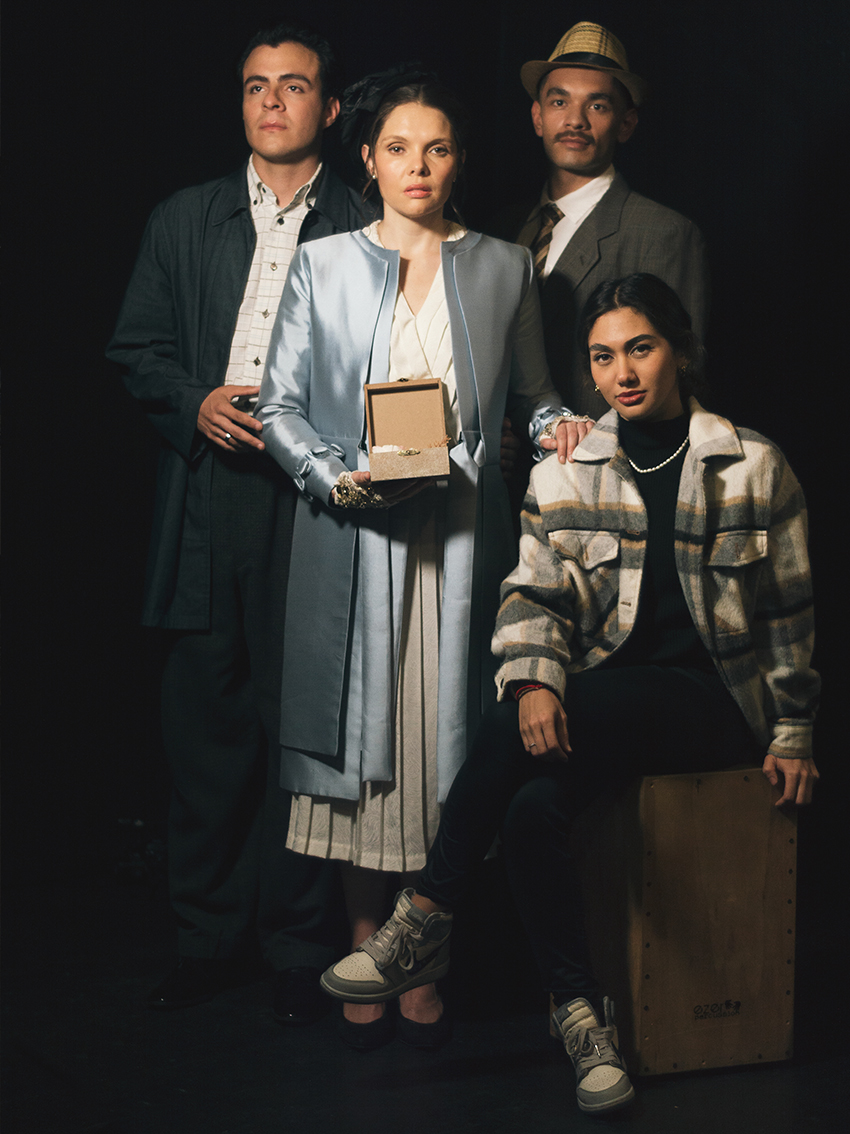
Working with Cala Gamun was especially powerful because she brought enormous emotional depth and fragility to Antonieta. She understood the character beyond the script itself.
The atmosphere on set was very collaborative. Since the film has a surreal and emotional tone, we spent a lot of time discussing the emotional state behind scenes rather than focusing only on technical execution.
7. Since this is a historical film, how challenging was it to find historically accurate costumes and locations?
It was definitely one of the most demanding aspects of production. We wanted the film to feel historically grounded while still maintaining a stylized and dreamlike atmosphere.
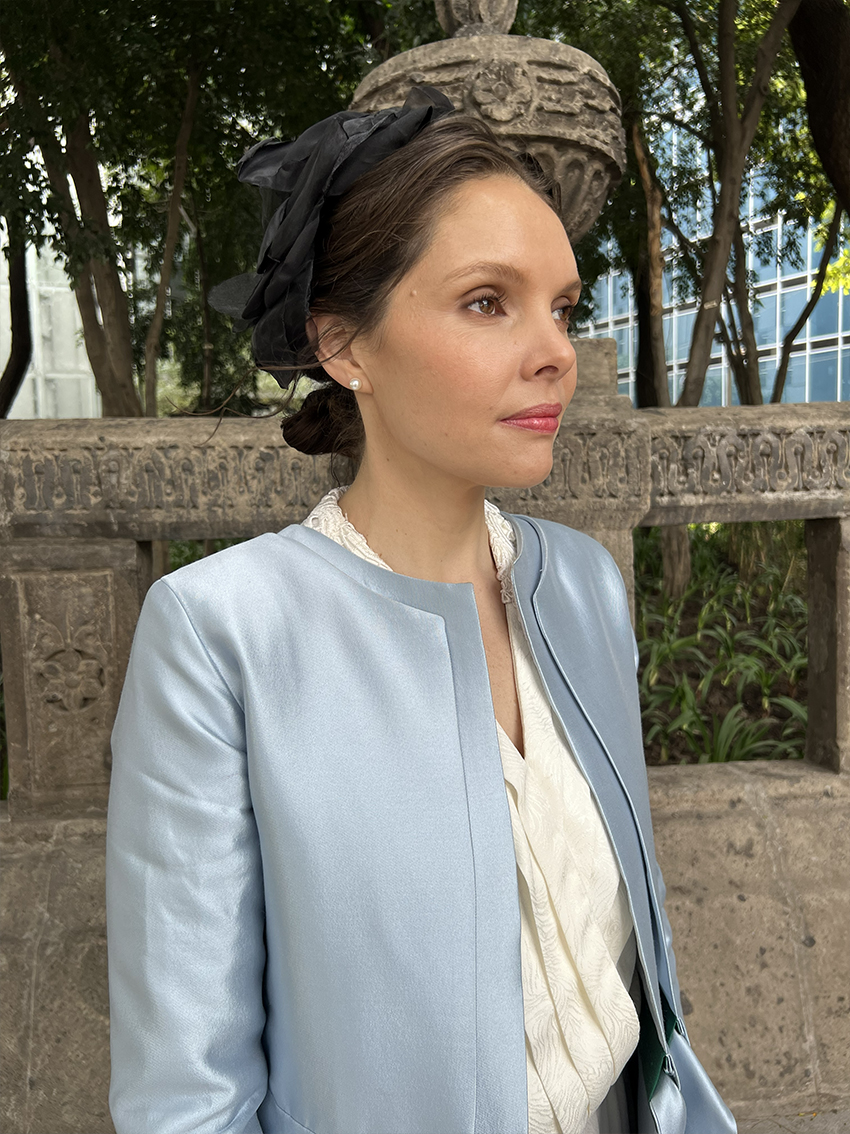
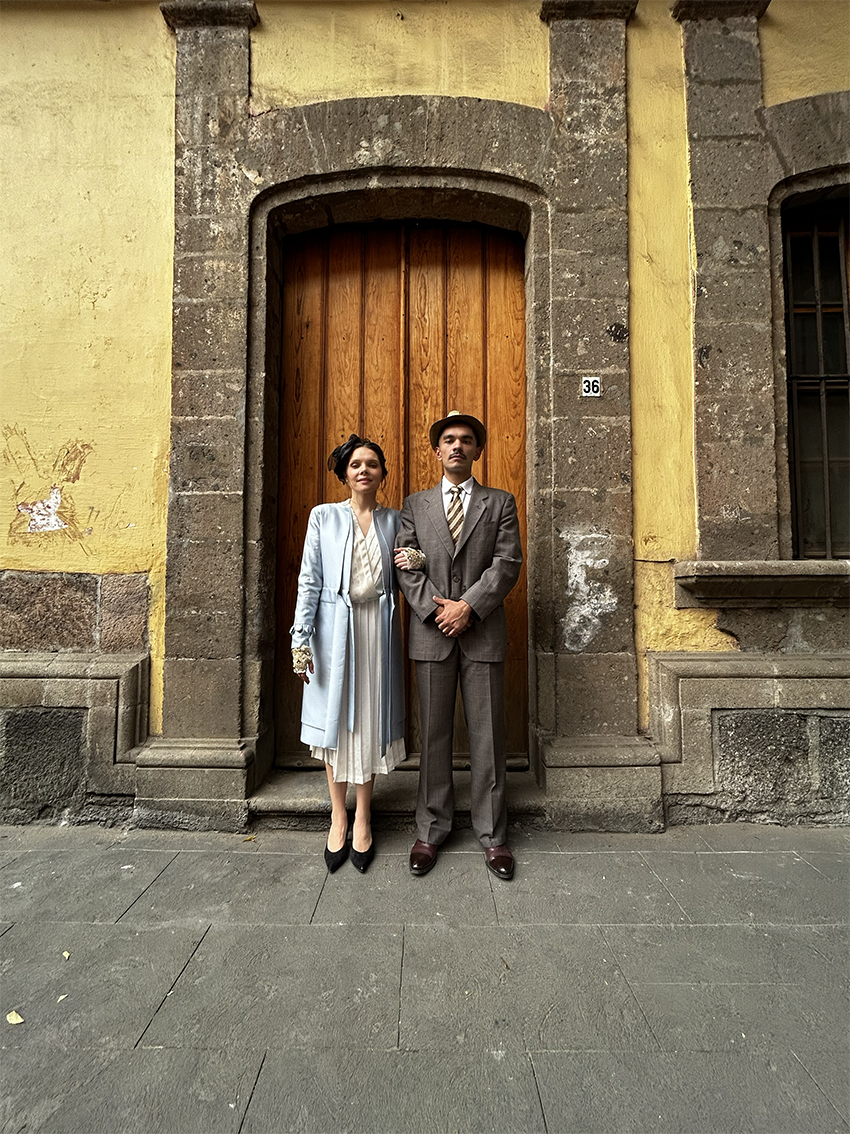
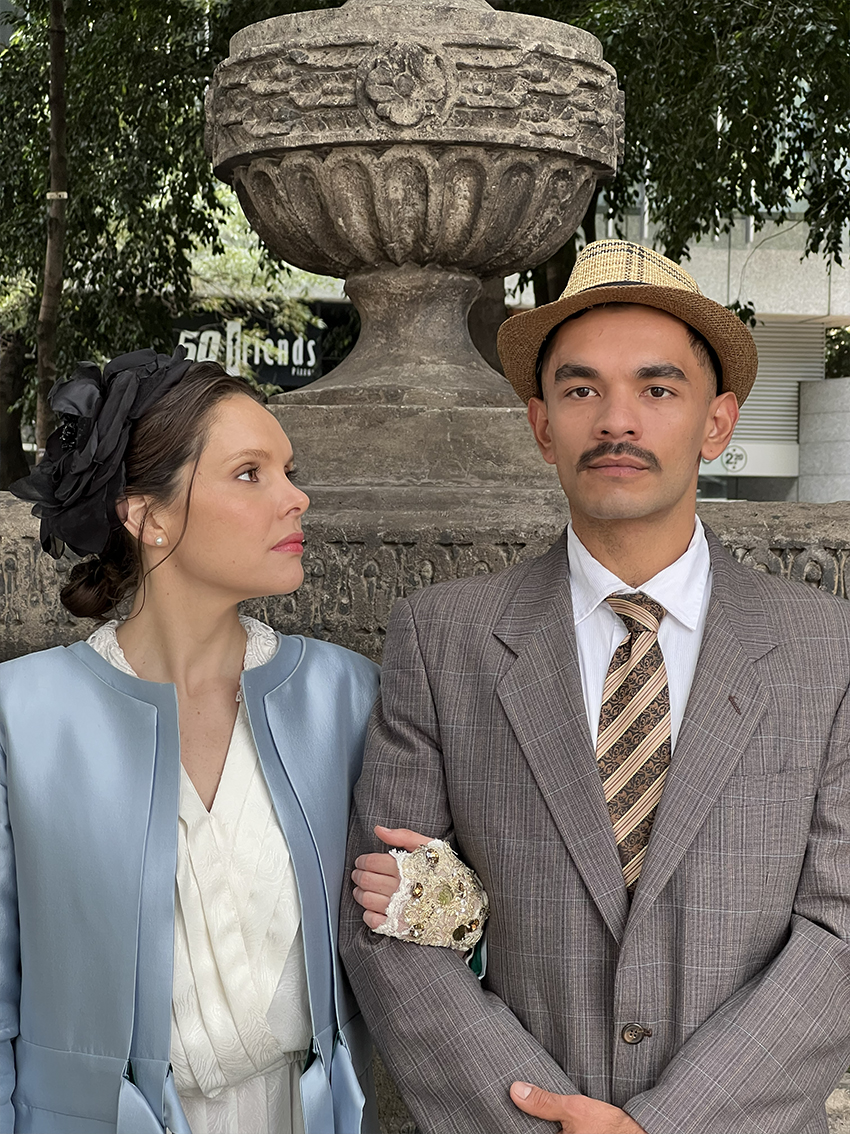
Our costume and production design teams did extensive research into the period, particularly regarding silhouettes, fabrics, color palettes, and cultural references from post-revolutionary Mexico. The locations also needed to feel emotionally connected to Antonieta’s world rather than simply historically accurate.
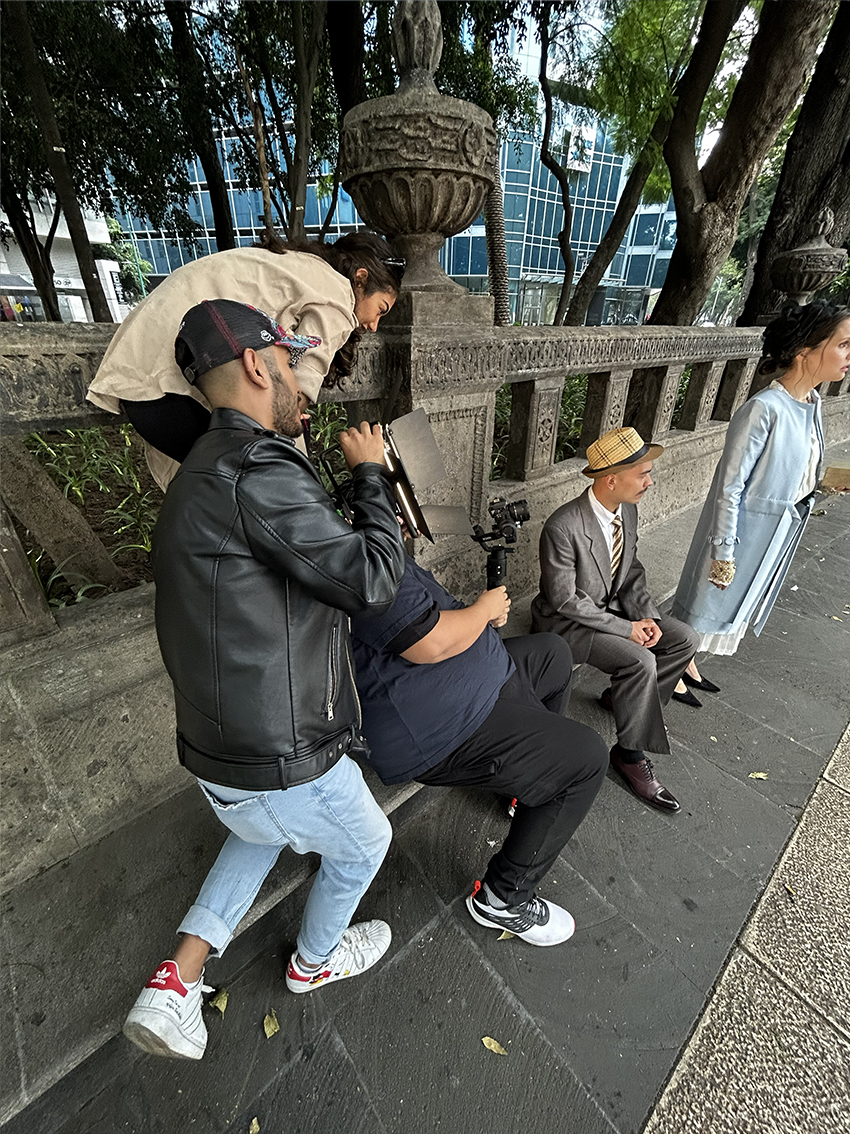
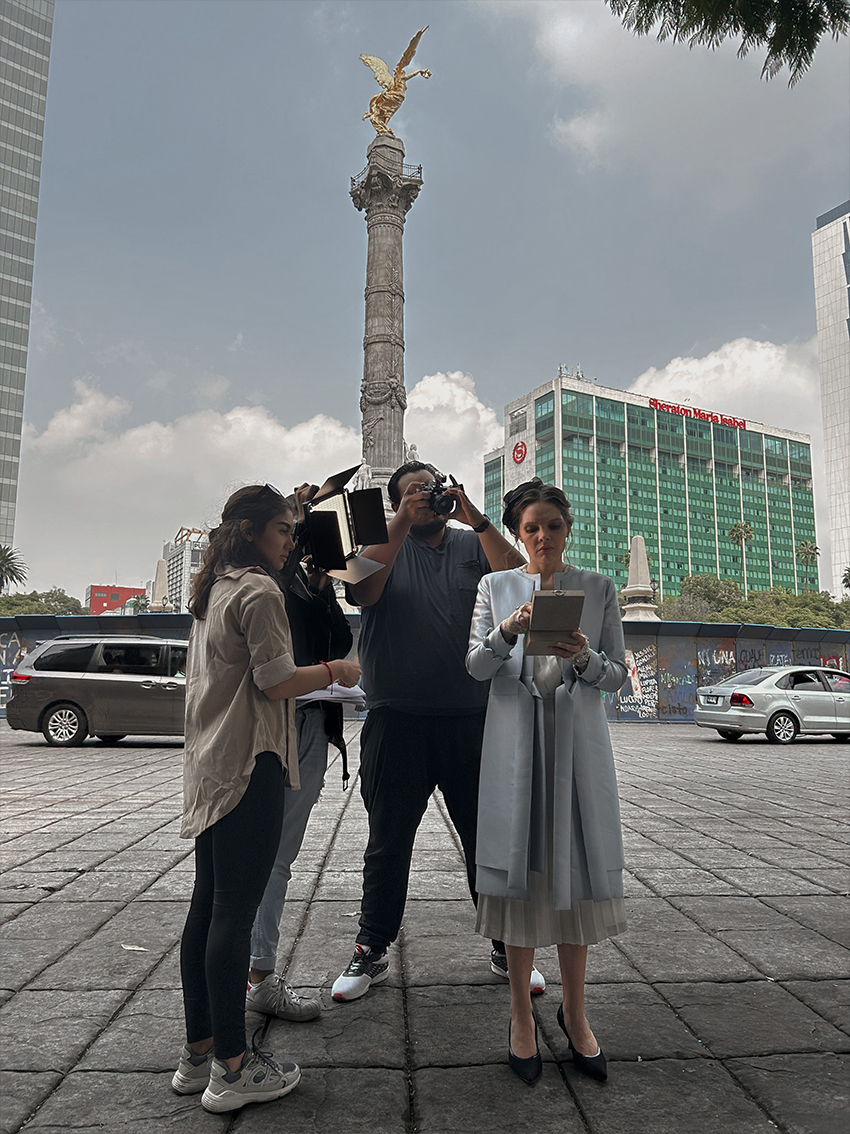
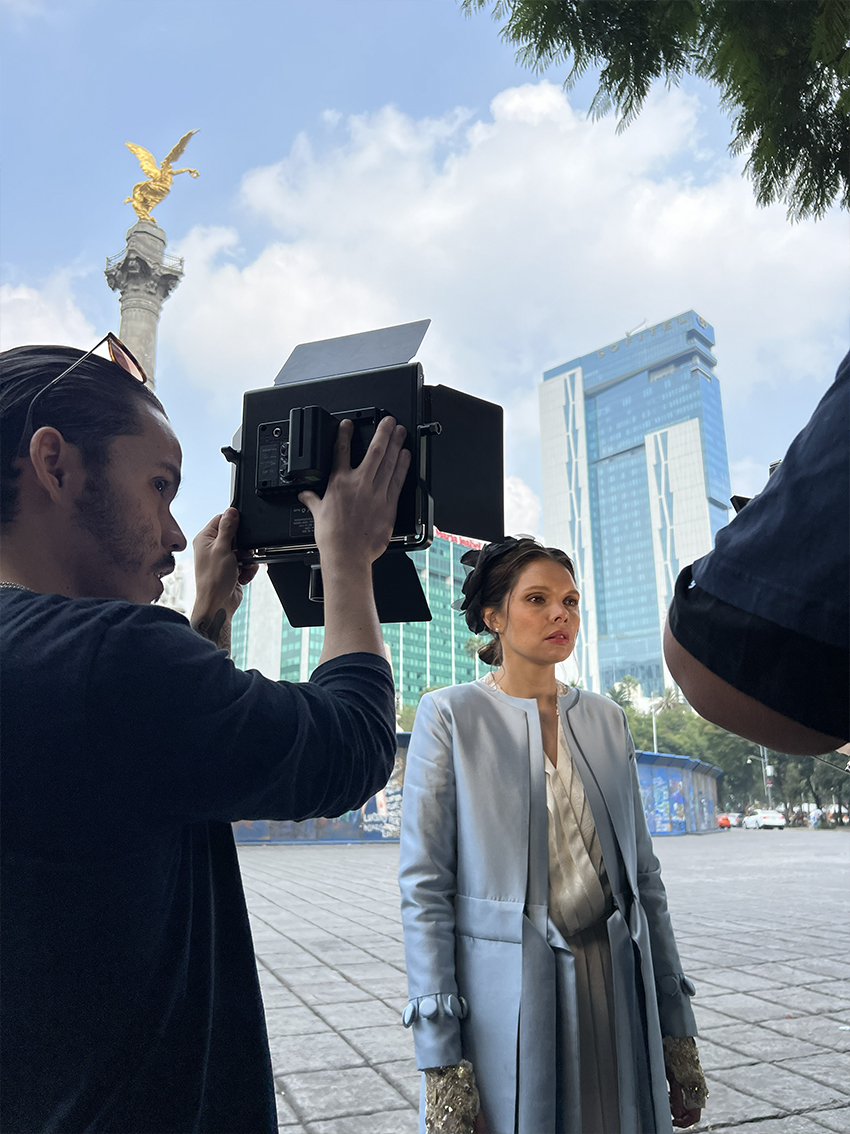
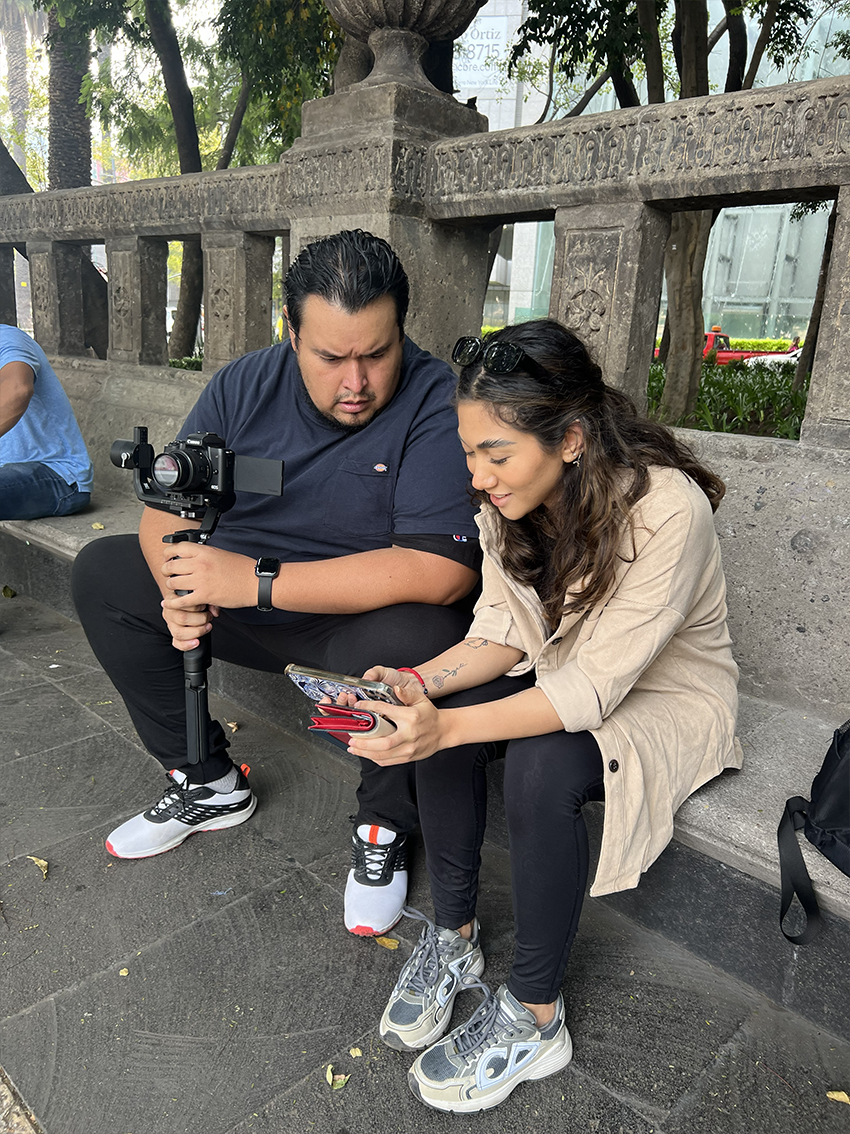
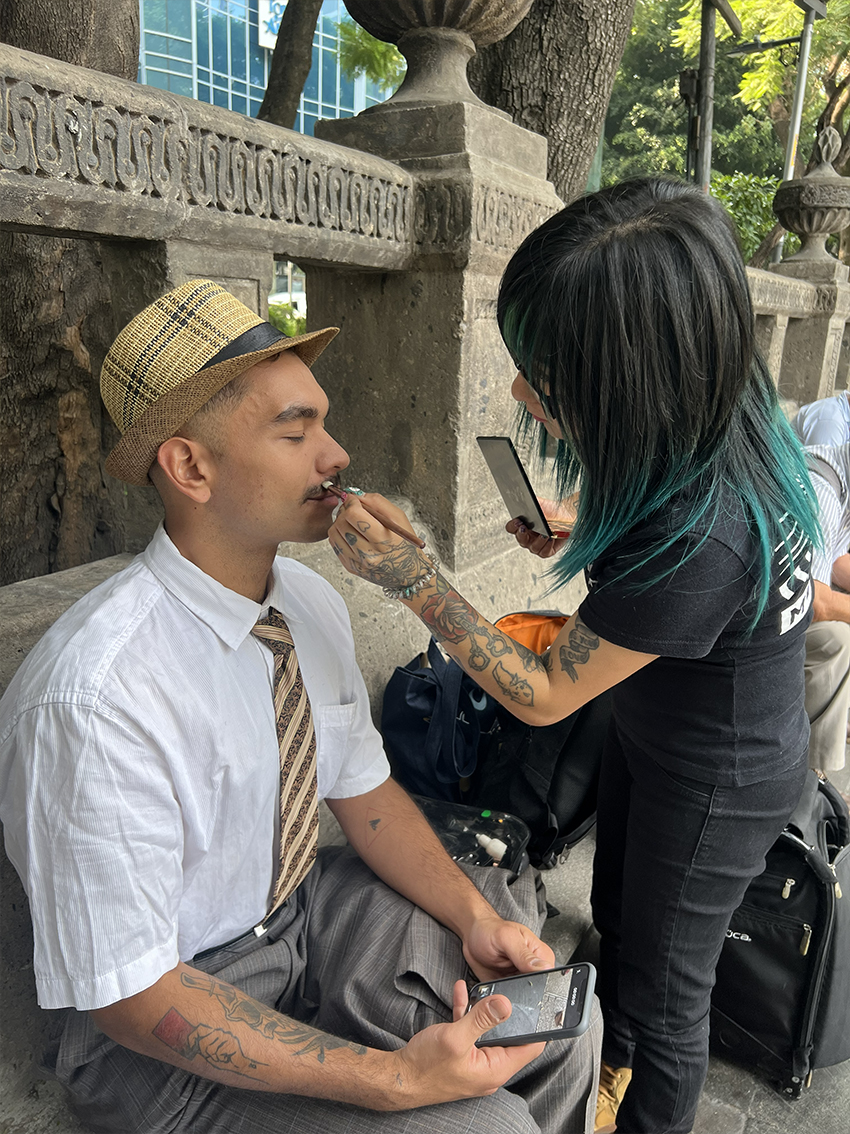
Mexico City itself became part of the storytelling. Spaces like the Ángel de la Independencia and older areas of downtown Mexico helped reinforce the emotional and symbolic layers of the film. Filming the exterior scenes was especially difficult because many people would gather around while we were shooting, particularly in public spaces in downtown Mexico City. At times it became overwhelming because crowds would stop to watch the production. Thankfully, thanks to my incredible team and their patience, organization, and commitment, we were still able to capture everything we needed. That experience honestly reminded me how collaborative filmmaking truly is.
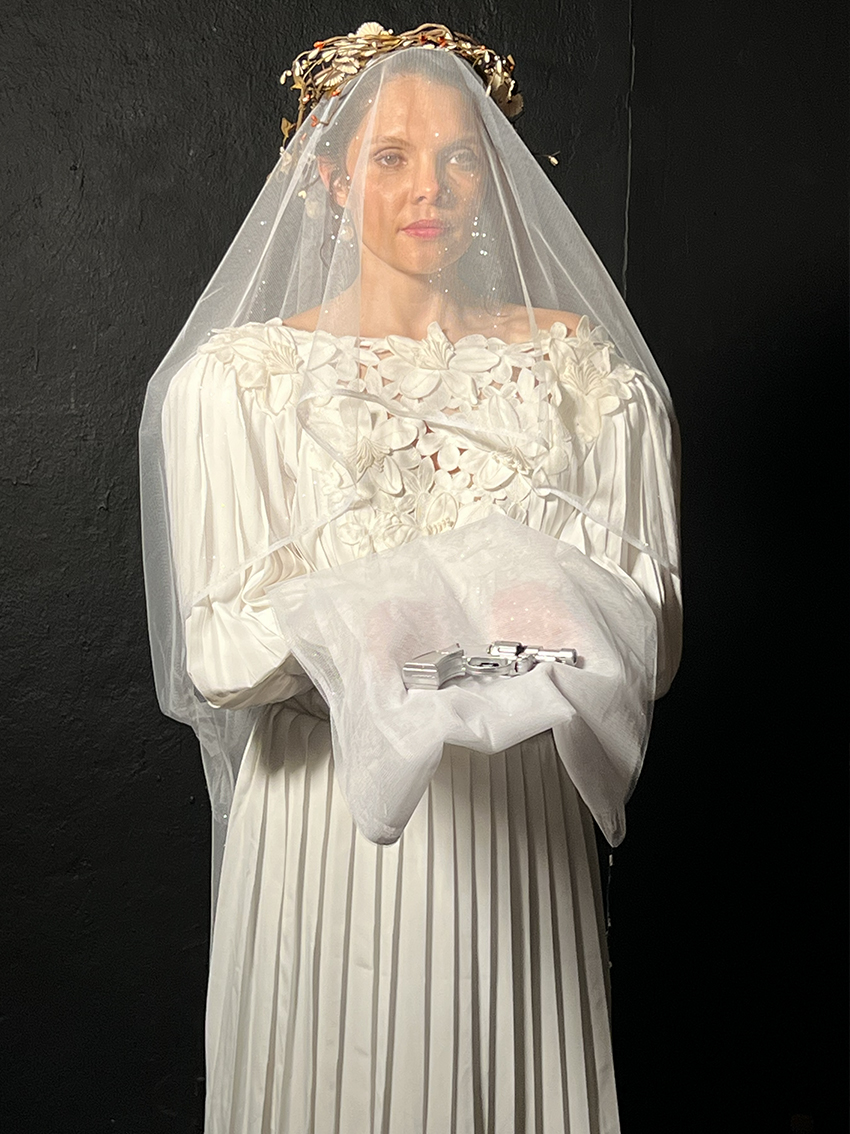
8. The cinematography has striking contrasts that create a dramatic effect. The last scene reminded me of the famous close-up of Maria Falconetti in The Passion of Joan of Arc by Carl Theodor Dreyer. How did you collaborate with your cinematographer on set to achieve that specific moment?
That comparison honestly means a lot to me because The Passion of Joan of Arc is such an emotionally devastating and visually intimate film.
My biggest visual inspiration for Antonieta was actually Mother! by Darren Aronofsky. I’ve always admired the way Aronofsky transforms anxiety, emotional suffocation, and psychological collapse into a physical cinematic experience. I wanted the camera in Antonieta to feel emotionally invasive, almost as if it were trapped inside her mind alongside her.
From the beginning, my cinematographer, Héctor García, and I discussed references centered around emotional claustrophobia, fragility, and internal chaos. Héctor has been someone I’ve worked with for years, and I’m incredibly grateful for the artistic relationship and trust we’ve built together over time. He truly is my trusted cinematographer, and because of that, we’re able to communicate emotionally and creatively in a very intuitive way on set.
For the final close-up specifically, the goal was to remove distractions and force the audience into direct confrontation with Antonieta’s emotional state. We relied heavily on performance, proximity, silence, restrained camera movement, and intimate framing.
I’ve always believed that the eyes are the window to the soul, so that final close-up became essential to me emotionally. I wanted the audience to stay with Antonieta in an almost uncomfortable intimacy, where even the smallest expression or silence could communicate what words no longer could.
Héctor and I spent a lot of time discussing emotional rhythm rather than only technical composition. Every visual decision had to feel psychologically motivated and emotionally truthful.
9. Who are some of your biggest influences as a director, and how do they shape your style?
Some of my biggest influences are Darren Aronofsky, Guillermo del Toro, and J.A. Bayona.
Aronofsky inspires me through his psychological intensity and the way he transforms emotional states into visual experiences. Guillermo del Toro, being from Guadalajara like me, has always inspired me because of how he combines fantasy, pain, beauty, and political undertones while still maintaining emotional humanity. Bayona’s work deeply influences me emotionally because of the intimacy and vulnerability present in his storytelling.
I’m very drawn to directors who create emotionally immersive cinema where visuals, sound, and performance all work together psychologically.
10. What was your vision for your latest film, and how did you ensure that vision came through on screen?
My vision for Antonieta was to create a film that felt emotionally haunted rather than traditionally narrative. I wanted the audience to feel as though they were drifting through fragments of Antonieta’s memories, fears, desires, and emotional deterioration.
To maintain that vision, every department worked from the same emotional language. The cinematography, costume design, music, sound, and performances were all built around emotional subjectivity and surrealism.
I also tried to remain emotionally honest throughout the process. Even when scenes became visually stylized, the emotional core always had to feel real.
11. Which directors have influenced you the most?
Darren Aronofsky, Guillermo del Toro, J.A. Bayona, Ingmar Bergman, and Lars von Trier have all influenced me in different ways.
I admire filmmakers who are unafraid of emotional discomfort and who explore human fragility honestly. I’m very interested in cinema that feels intimate, psychological, and emotionally immersive.
12. Looking ahead, what types of stories or genres do you want to explore, and what do you hope to achieve in the next few years?
I want to continue exploring emotionally driven cinema, especially stories centered around identity, memory, trauma, family dynamics, and psychological realism.
I’m also very interested in blending realism with surreal or dreamlike elements. I love stories that exist emotionally between reality and memory.
In the next few years, I hope to continue developing both short films and feature-length projects internationally, while growing Home Lights Films into a space that supports intimate and emotionally honest storytelling.
13. What are you currently working on, and where do you see yourself in the next 10 years?
Right now I’m developing new narrative projects that continue exploring emotional intimacy, identity, memory, and psychological complexity. I’m also focused on expanding my work internationally and building stronger creative collaborations between Mexico and the United States.
In the next 10 years, I hope to be directing feature films that maintain the emotional honesty that first brought me to filmmaking. I want to continue telling deeply human stories while creating cinema that emotionally stays with audiences long after they leave the theater.
I also hope Home Lights Films continues growing as a production company focused on emotionally driven storytelling and meaningful artistic collaboration. I also want to take a moment to thank my entire team in Mexico, who constantly bring so much heart, passion, and talent into every project we create together. Even while managing productions from the United States, they always make the process feel grounded, collaborative, and full of care. Home Lights Films truly exists because of them and their incredible work ethic, creativity, and belief in these stories.
I’m deeply grateful to Héctor García, Xalli Rivera, Wendy Ibarra, Salvador Santana, Fernando Marín, and Víctor Ortiz for helping bring these stories to life.
And above all, I will always thank my family, who continue to be my greatest inspiration both as a filmmaker and as a person.